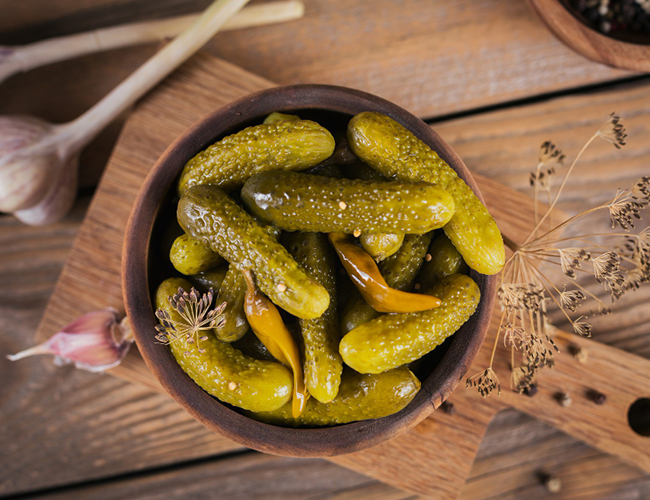
Pickled jalapeños are a steady fixture in professional kitchens. They bring heat and a tangy bite to burgers, sandwiches, salsas, and dressings. Their roots are in Mexican cuisine, but their appeal now reaches kitchens and food brands around the world.
For buyers who source in volume, the decision is rarely just “jalapeños or not.” The cut, the heat, and the packing liquid all affect how the product performs on a menu or in a production line. Small choices at the order stage tend to show up later in the kitchen.
This guide covers each choice in simple terms. It also sets out what to confirm with an exporter before you place a bulk order.
Sliced Vs. Whole Pickled Jalapeños
The right format depends on how your kitchen will use the product. Neither is better in every case. Start with the dish, then work back to the cut.
Where Cut Jalapeños Fit
Jalapeños can be sliced, chopped, or diced. That flexibility makes them easy to use in recipes that need heat spread evenly through a dish. Common uses include:
- Chopped and added to salsa
- Chopped and added to salad dressing
- Added to burgers and sandwiches for a tangy, spicy bite
Cut jalapeños also suit teams that want to keep prep time short.
Where Whole Jalapeños Fit
Jalapeños can also be eaten whole, since their spice is mild. Whole peppers suit kitchens that want to cut or portion the product themselves, or serve as it comes. Some operators like that control. They decide the thickness of each slice and how many go on each plate.
So Which Should You Buy?
If your menu leans on salsas, dressings, and toppings, cut jalapeños save labour. If your team prefers to control the cut, or serves peppers whole, that format gives you more say. Whichever you choose, state it clearly in your enquiry so the quote matches your needs.
Understanding Jalapeño Heat Levels
Jalapeños belong to the nightshade family. Their heat comes from capsaicin. That is the simple part.
Heat is not fixed, though. Spiciness and flavour change with growing conditions. Sunlight plays a part, and so does the acidity of the soil. Two batches grown in different conditions can taste different from each other. For a buyer, this means heat is something to discuss, not assume.
A few other points help set expectations:
- Jalapeños are generally picked green and used unripe, which is when the flavour is best.
- The flavour is similar to a green bell pepper, with the heat arriving quickly.
- The spice is mild enough for the peppers to be eaten whole.
If heat matters to your recipe, say so up front. Tell the team how hot you need the product when you send your enquiry. A clear request at this stage avoids surprises when the shipment arrives.
Brine Options for Pickled Jalapeños
The liquid a pepper is packed in shapes how it tastes and how you can use it. Buyers can choose from three media:
- Natural vinegar
- Acetic acid
- Salt brine
These three media are offered across the pickled range, so confirm your preferred option for jalapeños when you enquire. Name the medium in your enquiry along with the format and quantity, and the quote can be built around all three at once.
What Foodservice Buyers Need to Know Before Ordering
A bulk order is easier when the details are settled early. Before you request a quote, decide on the points below.
- Format: Sliced, chopped, diced, or whole.
- Heat expectation: How mild or sharp you want the finished product.
- Media: Natural vinegar, acetic acid, or salt brine.
- Quantity: Orders are stated in full container loads (FCL).
- Pack format: Bulk orders ship in 260-litre food-grade HDPE drums. Confirm the exact pack for your product when you enquire.
- Certificates: Check that the documents match what your market asks for.
Indo Western Agro Exports (IWAE) is a bulk exporter. It supplies importers and food brands, not individual consumers.
How IWAE Prepares Jalapeños for Export
IWAE was established in 2017 and is based in Sira Taluk, Karnataka, India. It produces and exports gherkins, banderillas, jalapeños, chillies, bell peppers, baby corn, and peppercorns.
Starting On The Farm
IWAE runs contract farming across Karnataka, with its own farmers and supervisors. The steps look like this:
- Field preparation, followed by soil and water analysis.
- Non-GMO seeds and food-grade raw materials for processing.
- Farmer training on soil, water, and crop management, plus modern and sustainable methods.
- Drip irrigation and mulching to save water.
- IWAE staff buy the harvest and move it to the factory.
About 75% of factory staff are women, and the company takes pride in giving rural women decent work.
Inside The Factory
Produce goes through cleaning, grading, soaking, and washing. A quality control team watches each step. Foreign particles are removed and damaged produce is separated. Pre-shipment inspections are carried out before goods leave. Crops are supplied free from insecticides and pesticides, in line with USFDA and EEC standards.
Finished goods are held in a 10-acre warehouse where temperature and ventilation are controlled, and storekeepers keep watch around the clock. Media preparation and storage have their own separate space. Production follows Good Agricultural Practices (GAP) and Good Manufacturing Practices (GMP).
Certifications And Approvals
- FSSC 22000
- FSSAI certification
- Kosher certification
- Licensed by the Agricultural and Processed Food Products Export Development Authority (APEDA)
- Quality systems meet USFDA and European Union norms.
Which Markets Does IWAE Export To?
IWAE supplies customers in these countries and other markets:
- United Kingdom
- United States
- Australia
- France
- Germany
- Greece
- Italy
- Netherlands
- Poland
- Russia
- South Korea
- Spain
- Sweden
- UAE
Summary
Buying pickled jalapeños in bulk comes down to a few clear decisions. Pick your format: sliced, chopped, diced, or whole. Think about heat, and remember it depends on how the peppers were grown. Choose your medium: natural vinegar, acetic acid, or salt brine. Then confirm quantity, pack format, and certifications before you commit.
IWAE grows through contract farms in Karnataka, processes with GAP and GMP controls, and holds FSC 22000, FSSAI, and Kosher certification. It exports to buyers across Europe, North America, Australia, Asia, and the Middle East.
To discuss a bulk jalapeño order, WhatsApp +91-9731941515 or email marketing_team@iwaepl.com.